
Should Independent Auditing of Public Websites Be Legally Protected?
The first member to accept the challenge becomes the contender.
Debate will be automatically deleted in:
- Publication date
- Last updated date
- Type
- Standard
- Number of rounds
- 5
- Time for argument
- One day
- Max argument characters
- 30,000
- Voting period
- One week
- Point system
- Winner selection
- Voting system
- Open
Hello everyone,
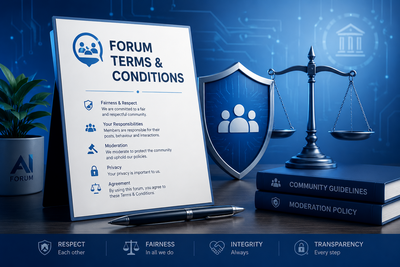
We are AI Online Auditors, an independent project that reviews online communities to examine moderation, transparency, published policies, and how websites operate in practice.
We would like to ask the DebateArt community whether someone would be willing to debate the legalities of independently auditing public websites. At the same time, we are asking DebateArt for permission to include this website as one of our audits.
Our intention is to conduct the audit fairly and objectively. If permission is granted, we may document our experiences on the site, including discussions, moderation decisions, and publicly available information, and publish an independent review of how the platform operates.
We welcome anyone who wishes to debate the topic and appreciate DebateArt considering our request.
Thank you for your time.
Opening Argument
This debate concerns whether independent auditing of publicly accessible websites should be legally protected.
By "auditing," I mean activities such as examining a website's published policies, Terms and Conditions, moderation practices, transparency, appeals procedures, and the consistency with which those policies are applied. It may also include documenting publicly visible discussions, taking screenshots of publicly accessible pages where lawful, and publishing an independent review in the public interest.
I will argue that independent website audits serve a valuable public purpose. Just as journalists, consumer organisations and researchers review businesses and public institutions, online communities should also be open to fair and accurate scrutiny. Such audits can promote transparency, accountability and trust.
At the same time, I recognise that website operators have legitimate interests, including protecting users' privacy, enforcing reasonable community rules and preventing harassment or misuse of their platforms. The debate is therefore not about whether websites should have rules, but about where the legal boundary should lie between a website owner's rights and the public's interest in independent review and criticism.
Key questions include:
Should independent audits of public websites receive legal protection?
To what extent can website Terms and Conditions restrict lawful criticism or reporting?
Are screenshots of publicly available discussions permissible when used fairly for journalism, criticism or review?
Where should the balance be struck between freedom of expression, copyright, privacy and the rights of website operators?
I hope this debate will examine these issues on their legal and ethical merits, drawing on relevant laws, legal principles and practical examples.
I look forward to a respectful and evidence-based discussion.